

Building Teams That Work Across Different Expectations
When you start a new job, there are things you know you’ll need to learn: the systems, the projects, who does what.
Then there are the questions you don’t realize you need to ask until something catches you by surprise. You bring an idea to a meeting and discover that people expected you to speak with your manager first. Or you leave a conversation ready to get started, only to learn that a colleague is still checking with their team. You thought the plan was approved; they thought you were talking it through.
You can know your job well and still be figuring out how things work around you.
These everyday expectations are part of workplace culture. They shape how people share ideas, build trust, raise concerns, and make decisions. Some are explained when you join, but others are so familiar to longtime colleagues that nobody thinks to mention them.
You may encounter them when you move countries, switch departments, or begin a project with people you haven’t worked with before. Paying attention helps, and so does remembering that you don’t have to figure everything out by yourself.
Notice what people do, then ask about it
Meetings are a useful place to start. Does the team use them to discuss ideas and decide what to do, or have most of those conversations already happened by the time everyone sits down?
If your last team worked things out in the room, you might arrive with a proposal ready for discussion. On your new team, colleagues may expect you to have spoken with the people affected beforehand. Knowing that gives you a better idea of how to prepare and when to contribute.
Pay attention to what happens when work goes well, too. When a leader thanks someone after a launch, what do they mention? It might be the person who took responsibility for a problem, the colleagues who helped another department, or the preparation that kept the project on track.
Those details can help you understand which contributions receive attention. But one meeting or thank-you message won’t tell you everything about a workplace, so treat what you notice as something to ask about.
You could say, “I noticed people usually talk with the department leads before bringing a proposal to this meeting. Is that something I should do for this project?”
A colleague can explain whether it’s a required step, something that depends on the project, or simply how a few people prefer to work.
Our last blog, Why Smart Teams Still Misunderstand Each Other, explores the practical steps leaders can take to bring concerns forward early and make sure everyone leaves the meeting with the same understanding of what was decided.
Remember that your last team isn’t the only reference point
It’s natural to use your previous experience to make sense of a new workplace. If something worked well before, you may expect it to work the same way here. That can influence how you read other people. If you’re used to discussing concerns openly in meetings, you might wonder why a colleague waits until afterward to raise a question. They may prefer a private conversation, need time to think, or feel that speaking with their team leader first is more appropriate.
Someone who asks for more time before agreeing to a plan may need to check with others, build support, or get approval. From your side, it may look as though they’re hesitating; from theirs, they’re taking the steps needed to give you an answer.
Asking “Is there anything you need to check before we confirm?” gives them room to explain. You can then plan around what’s needed rather than guessing why they haven’t said yes.
Ask how you’ll know a decision is final
A meeting can end with everyone feeling positive and still leave people with different ideas about what happens next. Imagine a team discussing a launch date. Nobody objects, so the project leader starts planning around it. One colleague, however, still needs to check whether their team can manage the extra work and assumes the date remains open.
Both may believe they’ve understood the conversation correctly. The problem becomes apparent later, when preparations are underway and the colleague comes back with a concern about capacity.
Before leaving the discussion, ask whether the group is ready to confirm the date or whether anyone still needs to speak with their team. It also helps to know who can approve the plan and how everyone affected will hear what’s been agreed.
“Are we ready to go ahead, or is there another step first?” is a reasonable question, even if you’re the only person asking it. Someone else may be wondering the same thing.
Asking “Any questions?” at the end of a meeting gives people an opportunity to speak, but it may not bring up everything the team needs to know.
Some colleagues are comfortable responding on the spot. Others may want to review the details, talk with someone on their team, or speak privately with the project owner or an appropriate team leader. Their preferences may reflect the working relationship, expectations about seniority, or how much time they need to consider the proposal.
Talk with the team about what would help. Sharing a timeline before the meeting may give people time to check their commitments. Asking “What would this require from your team?” can make it easier to discuss practical concerns. A private follow-up may suit someone who would rather raise a question individually.
Be clear about when that information is needed and how it will be considered before the plan is confirmed. That way, colleagues know how to contribute, and the person making the decision is less likely to mistake an unresolved concern for agreement.
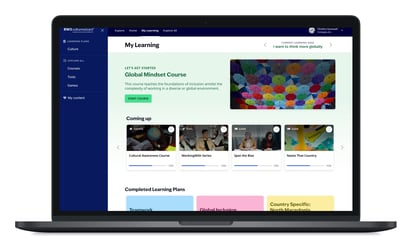
The CultureWizard digital learning platform brings together more than 8,000 learning components and 60+ courses, with interactive scenarios and personalized feedback that adapt to each learner’s progress, so teams can build the skills to work well across cultures on any device and at their own pace.
You don’t have to work it all out alone
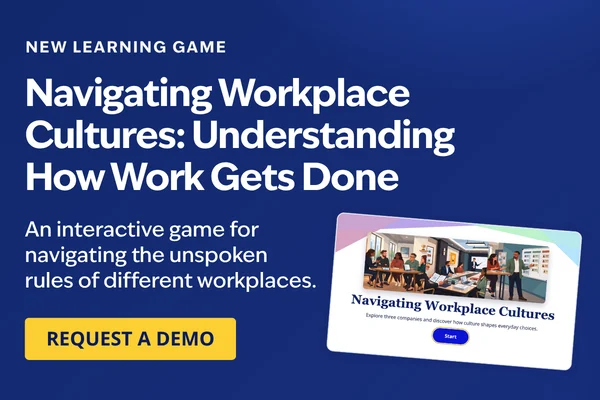
RW3 CultureWizard’s Navigating Workplace Cultures is an interactive learning game that gives learners a chance to practice noticing these details through three fictional companies.
At one company, CommonBridge, a launch checklist includes confirmation from Operations, Sales, and Support. For someone joining the company, that could prompt a question: “Which teams should I speak with before bringing a launch proposal forward?”
The checklist tells them something about the process, but a conversation helps them understand how it applies to their work.
The same is true in your workplace. You might notice that colleagues check in with a particular leader before suggesting a change, or that a project update always includes information from another department. Asking why can reveal a responsibility or working relationship you didn’t know about.
Your questions may also help experienced colleagues recognize what they’ve left unexplained. When you’ve followed a process for years, it can be hard to remember what someone new would need to know.
Keep the conversation going
These questions don’t stop being useful once you’ve settled in. A new manager, a change in responsibilities, or a project with another department can leave you learning how things work all over again.
Decisions are only part of that learning. It’s also worth understanding what helps colleagues develop confidence in one another. Some may value a clear explanation and reliable follow-through. Others may also want time to get to know you, a chance to be consulted, or reassurance that a sensitive conversation will stay private.
You learn some of this by working together, and you can ask about it as you go. If you’re unsure who needs to be involved, how to raise a concern, or whether you have approval to begin, checking can save both you and your colleagues time.
And if you’re the person who knows the team well, think back to what you had to figure out when you joined. Explaining it to the next person could make their first few weeks a little easier.
RW3 CultureWizard’s Navigating Workplace Cultures helps learners recognize these everyday expectations and practice working with people whose approaches may differ from their own.
Learn more about the game and request a demo to explore how CultureWizard can help people work together across your organization.